


shirred waist A shirred waist refers to a garment detail where the fabric is gathered or elasticated to create a stretchy, fitted waistline. Shirring is a sewing technique that uses multiple rows of elastic stitching (often with elastic thread in the bobbin) to create a ruched or stretchy effect. This design is commonly found in dresses, skirts, and tops, offering both comfort and a flattering silhouette.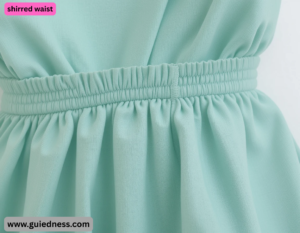
Features of Shirred Waist:
- Stretchy & Adjustable – The elastic threading allows the waist to expand and contract, accommodating different body shapes.
- Fitted Silhouette – The gathering creates a snug fit at the waist, often accentuating curves.
- Comfortable & Relaxed Fit – Unlike rigid waistbands, shirring provides flexibility and ease of movement.
- Popular in Feminine Styles – Often seen in boho, cottagecore, and vintage-inspired fashion.
1. Types of Shirring
- Shirring can vary in style and construction:
- Classic Shirring – Tight, parallel rows of elastic stitching (common in boho and cottagecore dresses).
- Smocked Waist – A more intricate, honeycomb-like pattern (often seen in children’s clothing or vintage styles).
- Partial Shirring – Only a section (like the waist or bust) is gathered, while the rest is loose.
- All-Over Shirring – The entire bodice or torso is elasticated for a fully adjustable fit (great for maternity wear).
Pros & Cons of Shirred Waists
Pros:
- Flattering for many body types – Enhances curves while camouflaging the midsection.
- No need for zippers/buttons – Easy to slip on and off.
- Breathable and comfortable – Ideal for summer dresses or relaxed fits.
- Stretchy yet structured – Moves with your body without losing shape.
Cons:
- Can lose elasticity over time – Frequent washing may weaken the elastic threads.
- Not always formal – The ruched look leans casual or romantic, not suited for sharp tailoring.
Styling Tips for Shirred Waist Garments
- For an Hourglass Shape: Highlight your waist with a belt over the shirring for extra definition.
- For Apple Shapes: Opt for empire-waist shirring (just under the bust) to elongate the torso.
- For Petite Frames: Choose mini dresses or high-waisted skirts to avoid overwhelming your figure.
- For a Boho Vibe: Pair a shirred maxi dress with gladiator sandals and layered necklaces.
- For a Modern Look: Style a shirred crop top with high-waisted trousers or a pencil skirt.
How to Care for Shirred Clothing
- Hand wash or gentle cycle – Elastic threads degrade faster in harsh washes.
- Air dry flat – Avoid high heat (dryers can melt or shrink the elastic).
- Iron on low heat (if needed) – Too much heat can damage shirring.
- Store flat or folded – Hanging may stretch out the waist over time.
Popular Shirred Waist Trends (2024-2025)
- Cottagecore Dresses – Flowy, puff-sleeved designs with smocked bodices.
- Y2K Revival – Low-rise skirts with shirred waistbands (seen in brands like Reformation).
- Sustainable Fashion – Brands use shirring for zero-waste designs (no need for exact sizing).
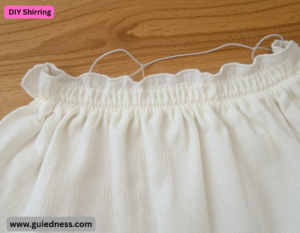
DIY Shirring
- Want to add shirring to a plain garment? You’ll need:
- Elastic thread (for the bobbin).
- A sewing machine (zigzag stitch optional for stretch).
- Lightweight fabric (cotton, linen, or chiffon work best).
The History of Shirring
- 18th–19th Century: Early shirring (or “smocking”) was hand-stitched for functional gathers in peasant blouses and children’s clothing.
- 1920s–30s: Elastic thread was invented, revolutionizing shirring in lingerie and dancewear.
- 1970s–80s: Hippie and prairie dresses popularized bohemian shirring.
- 2020s Revival: Cottagecore and Y2K trends brought back shirred mini dresses, swimwear, and tops.
Celebrity & Runway Inspiration
- Zendaya: Wore a red shirred Jacquemus mini dress (2023) with sleek heels.
- Dua Lipa: Rocked a shirred waist Mugler swimsuit (2022 Y2K revival).
Altering Shirred Garments
- Too Tight? Steam and gently stretch while warm.
- Add a lace panel or fabric insert at the sides.
Too Loose
- Take in side seams (if fabric allows).
- Elastic Worn Out?
- Replace shirring by sewing new rows with elastic thread.
- Convert to a fixed waistband (for structured looks).
Shirred Waist vs. Other Waistlines
- Feature Shirred Waist Darted Waist Elastic Waistband
- Fit Contoured, stretchy Structured Casual, stretchy
- Formality Casual to romantic Office-ready Sporty/athleisure
- Best For Dresses, boho styles Pencil skirts Sweatpants, PJs
Unexpected Shirred Pieces
- Beyond dresses, try: Shirred jeans (e.g., Reformation’s “Sloane” style).
- Blazers with shirred backs (for a tailored-yet-stretchy fit).
- Shirred handbags (Bottega Veneta’s elastic weave trend).
- Shoes! (Ballet flats with shirred fabric tops).
Pro Styling Tricks
- Layer It: Throw a cropped leather jacket over a shirred sundress for edge.
- Monochrome Magic: A head-to-toe shirred set (top + skirt) elongates the body.
- Texture Play: Pair a shirred satin slip dress with chunky boots.
- Waist Hack: Use a corset belt over shirring for Victorian-inspired drama.
Best Brands for Shirred Fashion
- Reformation (Flirty, sustainable shirred dresses).
- Selkie (Puff-sleeve, fairycore shirring).
- Faithfull the Brand (Boho smocked tops & swimwear).
- ASTR the Label (Affordable shirred party dresses).
- For Love & Lemons (Lace-trimmed shirred lingerie dresses).
When to Avoid Shirring
- Job interviews (Too casual unless styled with a blazer).
- Formal black-tie events (Opt for draping or darts instead).
- If you dislike emphasis on the waist (Try straight-cut silhouettes).
Future of Shirring
- Tech-Enhanced: Thermochromatic elastic threads (color-changing shirring).
- Eco-Shirring: Recycled elastic and zero-waste pattern-cutting.
The Psychology of Shirred Waists
- Body Positivity Impact: The stretch-to-fit nature reduces “size anxiety” in dressing rooms
- Tactile Comfort: The gathered texture provides subconscious sensory stimulation (similar to fidget toys)
- Nostalgia Factor: Evokes childhood memories of easy-to-wear play clothes
- Power Dressing Twist: When styled with blazers, subverts expectations of feminine fragility
Material Science Breakdown
- Best Fabrics for Shirring:
- Double Gauze Cotton (Perfect tension for gathers)
- Tencel Twill (Drapes well without sagging)
- Stretch Charmeuse (Luxurious ruching)
- Upcycled Sari Silk (Holds intricate smocking)
Fabrics to Avoid:
- Stiff denim (won’t gather smoothly)
- Ultra-thin chiffon (may tear at elastic threads)
- Heavy wool (pulls down the gathers)
The Math Behind Perfect Shirring
- Ideal Gather Ratio: 1.5x original fabric width (less = strained, more = bulky)
- Stitch Density: 8-12 rows per inch for optimal stretch
- Elastic Thread Tension: 85-90% of maximum stretch during sewing
- Commercial Pattern Markings: Look for “====” symbols indicating shirring zones
Spotting Quality Shirring When Shopping
Premium Signs:
- Rows remain parallel when stretched
- No visible puckering between stitches
- Recoveres completely after stretching
- Inner elastic threads are silicone-coated (lasts longer)
Fast-Fashion Red Flags:
- Uneven gathering Popping sounds when stretched
- Raw edges where shirring ends
- Only 2-3 rows of stitching (won’t hold shape)
Advanced Alteration Techniques
- For Sewists: Convert Darts to Shirring: Remove darts, mark new shirring lines 1/2″ apart
- Hybrid Waistbands: Combine shirring with hidden zipper sides
- Illusion Shirring: Sew over clear elastic for nearly invisible stretch
Non-Sewing Fixes:
- Use fashion tape to create temporary gathers
- Apply iron-on stabilizer to reinforce weak shirring
Shirring in Unexpected Categories
- Home Decor: Shirred lamp shades, gathered pillow backs
- Bridal Wear: Corset-style shirred wedding dress backs
- Techwear: Waterproof shirred jacket ventilation panels
- Pet Fashion: Stretchy shirred dog harnesses
……shirred waist…….