

Conservation and Wildlife Of course. This is a critical and multifaceted topic. Here is a comprehensive overview of conservation and wildlife, covering its importance, the primary threats, key strategies, and how individuals can help.

What is Conservation?
- It’s not about leaving nature entirely alone, but about sustainable use and intelligent management to prevent exploitation, destruction, and neglect.
Why is it So Important?
- Biodiversity: Every species, from the largest mammal to the smallest microbe, plays a unique role in its ecosystem. This complex web of life provides resilience. High biodiversity ensures ecosystems can recover from disasters and adapt to changes.
- Ecosystem Services: Nature provides us with essential, often free, services that are impossible to fully replicate:
- Provisioning: Food, fresh water, wood, fiber, and genetic resources.
- Regulating: Climate regulation, flood control, water and air purification, pollination of crops, and pest control.
Cultural: Recreational, aesthetic, and spiritual benefits.
- Supporting: Soil formation, nutrient cycling, and photosynthesis.
- Intrinsic Value: Many argue that wildlife and wild places have a right to exist for their own sake, independent of their value to humans.
- Medical and Scientific Benefits: Countless medicines are derived from plants and animals. Studying diverse life forms has led to breakthroughs in science and technology (a field known as biomimicry).
Major Threats to Wildlife and Ecosystems
Conservation efforts are a direct response to these pressing threats:
- Habitat Loss, Degradation, and Fragmentation: The #1 threat. Caused by agriculture, urban sprawl, resource extraction (logging, mining), and infrastructure development. This breaks large habitats into small, isolated patches, making it hard for species to find mates and resources.
- Climate Change: Alters temperature and weather patterns, causing sea-level rise, ocean acidification, and shifting habitats faster than many species can adapt.
- Pollution: Pesticides, herbicides, plastics, industrial chemicals, and nutrient runoff (e.g., from fertilizers) poison land, water, and air.
Overexploitation:
- Overhunting/Overfishing: Harvesting wildlife from the wild at rates faster than they can naturally replenish.
- Illegal Wildlife Trade: A multi-billion dollar black market for pets, traditional medicine, trophies, and luxury goods (e.g., ivory, rhino horn, pangolin scales).
- Invasive Species: Non-native plants, animals, or pathogens that are introduced (often by human activity) and outcompete native species, which have no natural defenses against them.
- Disease: Emerging diseases can devastate populations, especially those already stressed by other threats.
Key Conservation Strategies and Approaches
Conservationists use a multi-pronged approach:
- Protected Areas: Establishing national parks, wildlife refuges, and marine protected areas to safeguard critical habitats from development. Corridors are created to connect fragmented areas.
- Legislation and Policy: Laws like the U.S. Endangered Species Act (ESA) and the international CITES (Convention on International Trade in Endangered Species) treaty provide legal frameworks to protect species and regulate trade.
- Species Reintroduction and Captive Breeding: Programs like those for the California Condor or Black-Footed Ferret breed animals in captivity and release them into the wild to bolster or re-establish populations.
- Conservation and Wildlife Community-Based Conservation: Involving local and indigenous communities in conservation efforts. This ensures they benefit from protecting wildlife (e.g., through ecotourism) rather than seeing it as a threat to their livelihoods.
- Sustainable Use and Certification: Promoting products that come from well-managed sources, like FSC-certified wood or MSC-certified seafood, to reduce consumer impact.
- Scientific Research and Monitoring: Using technology like camera traps, satellite tracking, and DNA analysis to study populations, track movements, and measure the effectiveness of conservation actions.
- Restoration Ecology: Actively restoring degraded ecosystems, such as replanting forests, rebuilding oyster reefs, or restoring wetlands.

Notable Success Stories
Conservation works. Here are some examples:
- Southern White Rhino: From a population of maybe 50-100 individuals in the early 1900s, concerted conservation efforts have rebuilt their numbers to over 15,000.
- American Alligator: Once endangered by hunting and habitat loss, it made a strong comeback and is now considered fully recovered.
- Giant Panda: A global symbol of conservation, its status was downgraded from “Endangered” to “Vulnerable” due to successful habitat protection and reforestation efforts in China.
How Can You Help? Individual Actions Matter.
- Support Reputable Organizations: Donate to or volunteer with organizations like the World Wildlife Fund (WWF), The Nature Conservancy, Wildlife Conservation Society, or local land trusts.
Make Sustainable Choices:
- Conservation and Wildlife Choose sustainable seafood (consult the Seafood Watch guide).
- Buy recycled and FSC-certified paper products.
- Reduce single-use plastic consumption.
- Create Wildlife Habitat: Plant native plants in your garden, avoid pesticides, and provide water sources to support local birds, pollinators, and other wildlife.
- Be a Responsible Tourist: Choose eco-friendly tour operators, maintain a safe distance from wildlife, and never buy souvenirs made from endangered species (e.g., ivory, coral, tortoiseshell).
- Reduce Your Carbon Footprint: Use energy-efficient appliances, drive less, and consider your diet’s environmental impact (e.g., reducing meat consumption).
- Educate and Advocate: Share your knowledge with others.
Philosophical Shifts in Conservation Ethics:
- Fortress Conservation: The older model of creating protected areas by excluding local human populations. This often created conflict and injustice by disregarding the rights and knowledge of indigenous people who had lived sustainably in those areas for generations.
- Community-Based Conservation: The modern shift towards involving local communities as essential partners and beneficiaries. The idea is that if people benefit from a living resource (e.g., through tourism jobs), they will be incentivized to protect it.
- Compassionate Conservation: A growing movement that argues conservation policies should prioritize the welfare of individual animals, not just the health of populations or species. It asks questions like: “Is it ethical to cull one invasive species to save another?”
- Triage: A difficult concept where conservationists must make painful decisions about which species or ecosystems to save when resources are limited, effectively prioritizing those with the best chance of survival or the highest ecological importance.
The Role of Technology:
Conservation is becoming increasingly high-tech.
- Bioacoustics: Using networks of audio recorders to monitor ecosystem health by listening to soundscapes (bird songs, insect noises, etc.) and identifying species through their calls.
- Environmental DNA (eDNA): Testing water or soil samples for tiny traces of DNA shed by species. This allows scientists to confirm the presence of elusive or rare animals like amphibians, fish, or mammals without ever seeing them.
- AI and Machine Learning: Used to process the massive amounts of data collected by camera traps, acoustic monitors, and satellites, identifying species and patterns far faster than humans can.
- Satellite Monitoring: Organizations like Global Forest Watch use near-real-time satellite data to track deforestation around the globe, allowing for rapid response to illegal logging.
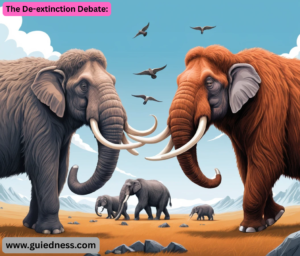
The De-extinction Debate:
- A highly controversial frontier involving using genetic engineering (e.g., CRISPR) to “bring back” extinct species like the Woolly Mammoth or Passenger Pigeon.
- Proponents argue: It could restore lost ecosystem functions and correct past human wrongs.
- Critics argue: It is astronomically expensive, ethically questionable, and a distraction from protecting the species we still have. Where would a resurrected species live in our modern world?
Conservation on Working Lands:
- Conservation and Wildlife The idea that we cannot protect biodiversity only in isolated parks. The future depends on integrating conservation into human-dominated landscapes:
- Wildlife-Friendly Agriculture: Farming practices that leave corridors for animals, reduce pesticide use, and maintain hedgerows and wetlands.
- Urban Conservation: Creating green roofs, pollinator gardens in cities, and designing wildlife crossings over or under highways to reduce roadkill.
Spotlight on Lesser-Known Crises
- While tigers and elephants get headlines, other critical crises deserve attention:
- The Insect Apocalypse: Studies show dramatic declines in insect populations globally.
- Freshwater Biodiversity Loss: Rivers, lakes, and wetlands are among the most threatened ecosystems on Earth. Freshwater species (fish, amphibians, invertebrates) are going extinct faster than their terrestrial or marine counterparts due to dams, pollution, and water extraction.
- The Pangolin Trade: The world’s most trafficked mammal. All eight species are threatened with extinction due to massive demand for their scales (used in traditional medicine) and meat.
How to Think Critically About Conservation
- Beware of “Greenwashing”: Companies may use terms like “natural” or “green” to seem environmentally friendly without real action. Look for specific certifications (FSC, MSC, Organic) and transparency.
- Understand the Conflicts: Conservation is rarely simple. For example, saving a herd of elephants is a noble goal, but for a farmer whose crop is destroyed by them, the elephant is a pest. Effective solutions must address these human-wildlife conflicts.
- The “Charismatic Megafauna” Problem: Cute and large animals (pandas, polar bears) attract most funding and attention. This can draw resources away from less “sexy” but critically important species like fungi, insects, or plants that form the foundation of ecosystems. Many conservation groups use “flagship species” to raise money to protect entire ecosystems.