
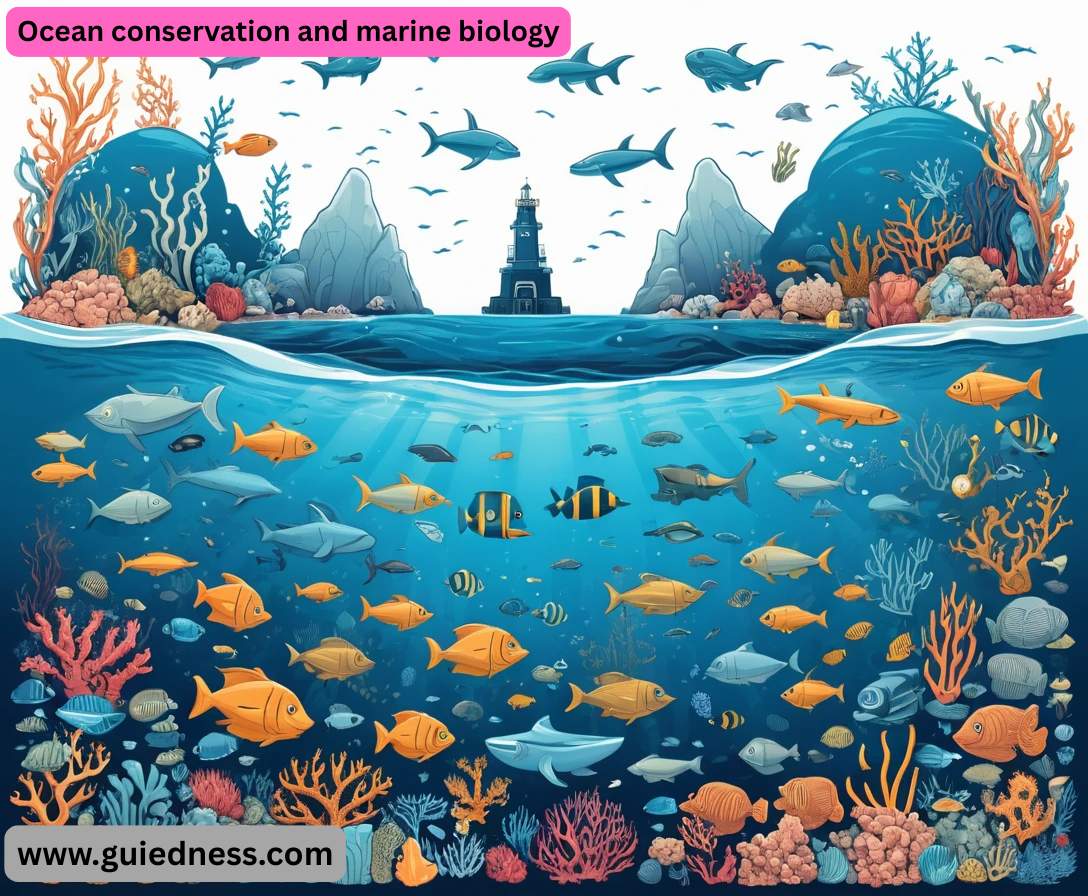
Ocean conservation and marine biology Of course. Ocean conservation and marine biology are two deeply intertwined fields that are critical to the health of our planet. Here’s a comprehensive overview covering what they are, why they matter, the major threats, and how people can help.
What is Marine Biology?
- It’s not just about whales and dolphins; it encompasses everything from microscopic plankton and viruses to the giant blue whale, and from coastal estuaries to the deep sea abyss.
Key areas of study include:
- Ecology: Studying how species interact with each other and their environment (e.g., predator-prey relationships, symbiosis).
- Physiology: Examining how marine organisms function and adapt to challenges like pressure, cold, and salinity.
- Behavior: Observing the actions and interactions of marine animals.
- Marine Geology & Chemistry: Understanding the physical and chemical makeup of the ocean itself, which directly influences life within it.
What is Ocean Conservation?
Ocean conservation is the practice of protecting and preserving ecosystems in oceans and seas. It aims to manage human activities to ensure the sustainability of marine resources for future generations. It uses the scientific knowledge gained from marine biology to inform policies and actions.
Key goals of ocean conservation:
- Protect endangered species and habitats.
- Manage fisheries sustainably to prevent collapse.
- Establish Marine Protected Areas (MPAs).
- Reduce and mitigate pollution.
Why Are They So Important?
The ocean is fundamental to life on Earth.
- Life Support System: It produces over half of the world’s oxygen through phytoplankton photosynthesis.
- Climate Regulation: The ocean absorbs about 30% of human-produced CO₂ and vast amounts of heat, buffering the impacts of climate change.
- Biodiversity: It hosts an estimated 50-80% of all life on Earth, most of which is still undiscovered. This biodiversity is a potential source for
new medicines (a field called marine bioprospecting).
Economy: It supports countless industries, including fishing, tourism, and shipping.
- Major Threats to the Ocean (The Problems Conservation Addresses)
Climate Change: - Ocean Acidification: Excess CO₂ dissolves in seawater, forming carbonic acid. This lowers the pH, making it harder for corals, shellfish, and
plankton to build their skeletons and shells.
- Ocean Warming: Rising temperatures cause coral bleaching (where corals expel their symbiotic algae and turn white), force species to migrate to cooler waters, and disrupt food webs.
- Overfishing and Destructive Fishing Practices:
- Overfishing: Taking fish from the ocean faster than they can reproduce, leading to population collapse (e.g., the Atlantic cod fishery).
- Bycatch: The accidental capture of non-target species like dolphins, sea turtles, and seabirds, which are often discarded dead or dying.
- Bottom Trawling: Dragging heavy nets across the seafloor, destroying fragile deep-sea habitats like cold-water coral reefs that have taken
thousands of years to grow.
Pollution:
- Plastic Pollution: Millions of tons of plastic enter the ocean yearly, entangling animals or being mistaken for food, which can lead to starvation.
- Chemical Pollution: Runoff from agriculture (pesticides, fertilizers) and industry creates “dead zones” – areas where algal blooms deplete
oxygen, suffocating marine life.
- Noise Pollution: Ship traffic, sonar, and construction disrupt the communication, feeding, and navigation of sound-dependent species like whales and dolphins.
- Habitat Destruction: Coastal development (e.g., for resorts, aquaculture, or cities) destroys critical nurseries like mangrove forests, seagrass beds, and salt marshes.
Solutions and How You Can Help
Large-Scale Solutions:
- Marine Protected Areas (MPAs): Creating underwater “national parks” where human activity is restricted, allowing ecosystems to recover and thrive.
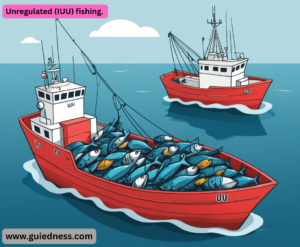
- Sustainable Fisheries: Enforcing science-based catch limits, reducing bycatch with better gear, and combating Illegal, Unreported, and
Unregulated (IUU) fishing.
- International Agreements: Policies like the UN’s recent High Seas Treaty aim to protect biodiversity in international waters.
- Investing in Green Tech: Supporting renewable energy (like offshore wind) and phasing out single-use plastics.
Individual Actions (Every Bit Helps!):
- Make Sustainable Seafood Choices: Use guides (like the Seafood Watch app) to choose seafood that is caught or farmed in ways that
support healthy oceans.
- Reduce Plastic Use: Refuse single-use plastics (bags, bottles, straws). Opt for reusable alternatives.
- Reduce Your Carbon Footprint: Your choices on transportation, energy consumption, and diet directly impact climate change and ocean
acidification.
- Ocean conservation and marine biology Be a Responsible Tourist: When boating, diving, or snorkeling, don’t touch wildlife or corals. Choose eco-friendly tour operators. Never litter.
- Support Conservation Organizations: Donate to or volunteer with groups like Oceana, The Ocean Conservancy, WWF, or Sea Shepherd.
- Educate Yourself and Others: The more you know, the more you can spread awareness.
The Cutting Edge of Marine Biology
- Modern marine biology is being revolutionized by technology, allowing scientists to explore and understand the ocean like never before.
- Biomimicry: Scientists are studying marine life to solve human problems.
- Shark Skin: The unique pattern of shark skin (dermal denticles) prevents bacteria and algae from attaching. This design is being replicated
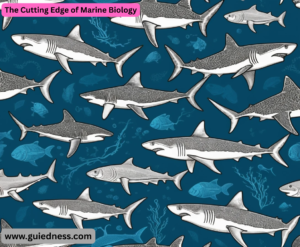
in hospitals to create antimicrobial surfaces.
- Humpback Whale Flippers: The bumpy leading edge of their flippers provides incredible hydrodynamic efficiency. This design is now used on wind turbine blades, airplane wings, and fan blades to reduce drag and increase efficiency.
- Mussel Glue: Mussels secrete a powerful adhesive that works underwater. Researchers are replicating this for surgical glues and underwater repairs.
- Deep-Sea Exploration: We know more about the surface of Mars than our own deep ocean floor.
- ROVs (Remotely Operated Vehicles) and AUVs (Autonomous Underwater Vehicles) are robotic submarines that allow scientists to Explore depths impossible for humans, discovering new species and ecosystems on a regular basis.
- Hydrothermal Vents: These “black smokers” on the seafloor spew superheated, mineral-rich water. They support utterly unique ecosystems based on chemosynthesis (where bacteria convert chemicals into energy, not sunlight), challenging our very definition of life.
Genetics and -Omics:
- EDNA (Environmental DNA): Scientists can now sample a liter of seawater and, by filtering out the genetic material floating in it, identify which species have been in the area without ever seeing them. This is a powerful, non-invasive tool for monitoring biodiversity and finding rare species.
- Genomics: Sequencing the DNA of marine organisms helps us understand their evolution, resilience to stress, and potential for medical
applications.
Nuanced Challenges in Ocean Conservation
- The threats are often more interconnected and complex than they first appear.
- The Microplastic Problem: It’s not just plastic bags and bottles. The bigger issue may be microplastics (tiny fragments <5mm) and nano-plastics. These come from broken-down larger items, microbeads in cosmetics, and synthetic fibers from our laundry. They are ingested by plankton at the base of the food web, potentially working their way up to humans, with unknown health effects.
- The High Seas Governance Gap: The “high seas” are international waters that make up nearly two-thirds of the global ocean. Until recently, no comprehensive legal framework existed to protect biodiversity there. The new UN High Seas Treaty (BBNJ – Biodiversity Beyond National Jurisdiction) is a historic step towards allowing the establishment of MPAs in international waters and ensuring fair sharing of
marine genetic resources.
The Mangrove Paradox: Mangroves are incredible ecosystems that protect coastlines from storms, sequester vast amounts of “blue carbon,” and serve as fish nurseries. Yet, they are often cleared for shrimp aquaculture (farming) – a short-term economic gain that destroys long-term resilience and food security.
- Renewable Energy Trade-offs: Offshore wind is a crucial green energy source. However, placing turbines on the seafloor can disrupt benthic habitats and create noise pollution during construction. Conservation now involves carefully siting these projects and mitigating their
impacts through science.
Lesser-Known Marvels of the Marine World
- Ocean conservation and marine biology This vertical mixing fertilizes surface waters, stimulating the growth of phytoplankton, which not only feeds the food web but also captures carbon. So, protecting whales is also a climate solution.
- It provides a sudden, massive food source for scavengers like hagfish and sleeper sharks, and later, for bacteria that break down the bones, supporting unique symbiotic species found nowhere else.
- Cephalopod Intelligence: Octopuses, cuttlefish, and squid have a completely different nervous system structure than vertebrates, yet exhibit remarkable problem-solving skills, camouflage abilities that surpass any human technology, and even playfulness.
- The Ocean’s Liquid Earth: Underwater rivers and lakes exist on the seafloor! In areas with high salinity, dense brine water pools into depressions, creating surreal, quivering “lakes” complete with shores and waves.
How to Get Involved on a Deeper Level
Citizen Science: You don’t need a PhD to contribute to science.
- EDNA Sampling: Some projects allow volunteers to collect water samples for analysis.
- Photo ID: Platforms like Happywhale allow you to upload photos of whale flukes or dolphin fins, helping scientists track individual animals
and population movements.
- Coral Watch: Simple color charts used by divers and snorkelers to monitor coral health and bleaching.
- Policy and Advocacy: Follow and support organizations lobbying for strong ocean policies. Contact your government representatives to let them know you care about issues like plastic pollution laws, fishery management, and funding for ocean science.
- Careers in the Field: If you’re passionate, consider a career path. It’s not just being a “dolphin trainer.” Fields include:
Marine Policy & Law
- Underwater Archaeology
- Marine Engineering (designing ROVs, sensors, etc.)
- Scientific Illustration & Photography
- Aquaculture Science (developing sustainable fish farming)
- Marine Education (museums, aquariums, outreach)